
The Golden Years: Summering with a Senior Dog
Senior dogs have a way of slowing things down and putting everything into perspective. Daily adventures start to look a little bit different as they shift gears, but getting older doesn’t mean sitting out the best days of summer. They still love to hike, swim, fetch, explore, and get the most out of every day, with the same curiosity and enthusiasm as their younger years.
Because senior dogs often have to deal with arthritis, muscle loss, and decreased stamina, it’s important to make adjustments that allow for rest and recovery time. Older pups are also more sensitive to heat because their bodies don't regulate temperature as efficiently. While some of your adventures might change, the time you spend together outdoors becomes even more special.
Here's how to build a summer full of good days — and make every single one of them count:

A Senior Dog Favorite: The Sniffari
A “sniffari” is a walk organized entirely around your dog's nose. No destination or pace required, just an open attitude and a sense of wonder. You let them lead, stop when they stop, and go where the scent takes them.
For senior dogs, this is genuinely good exercise. Nose work engages the brain deeply, keeps them moving without overexertion, and delivers the same kind of mental tiredness that a harder day out on the trails used to. Twenty focused minutes of sniffing can wear a dog out more thoroughly than an hour of pushing through a walk.
Tip: Stick to shaded routes — tree-lined streets, park paths, river corridors. Soft surfaces like grass or packed dirt are easier on aging joints than pavement, which also holds heat longer.
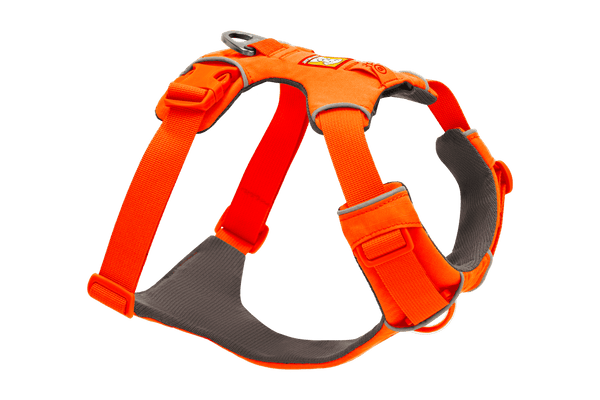
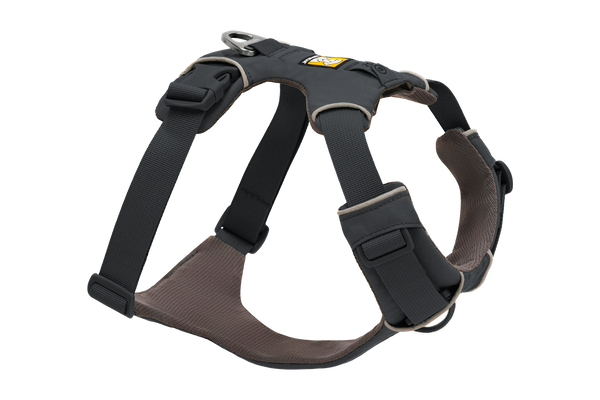
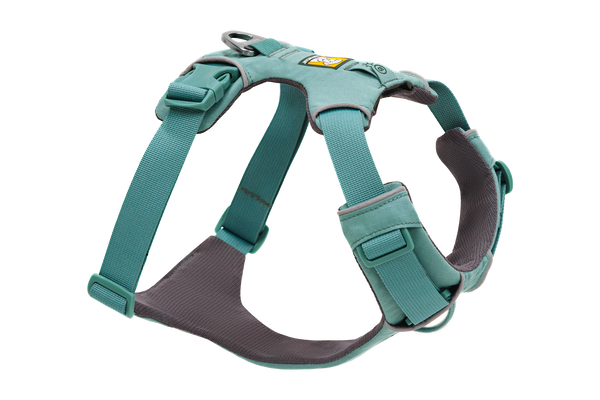
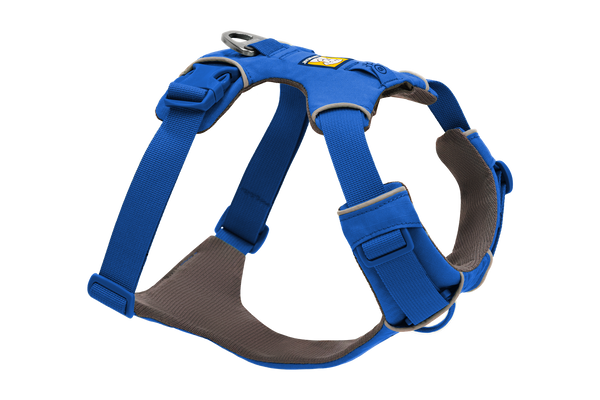
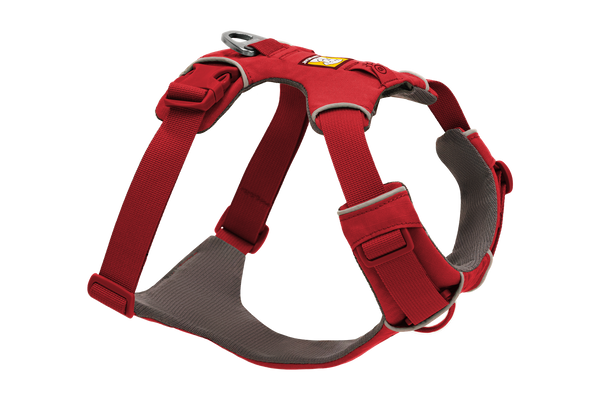
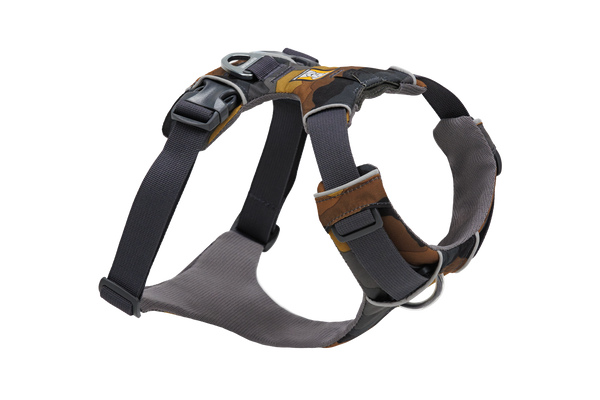
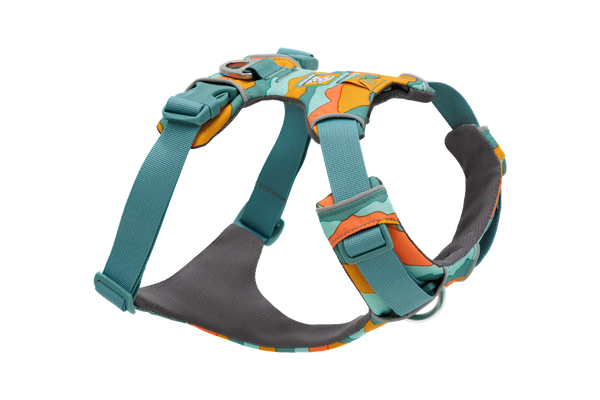
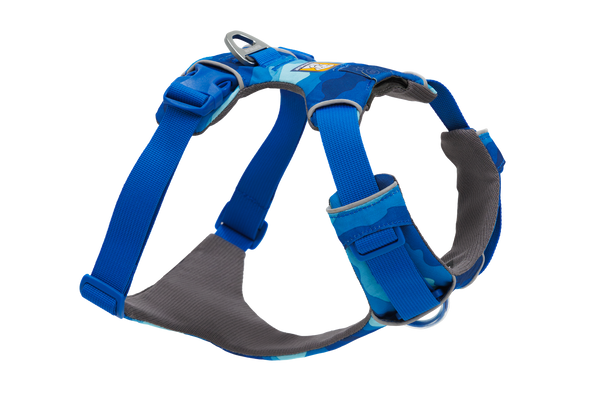
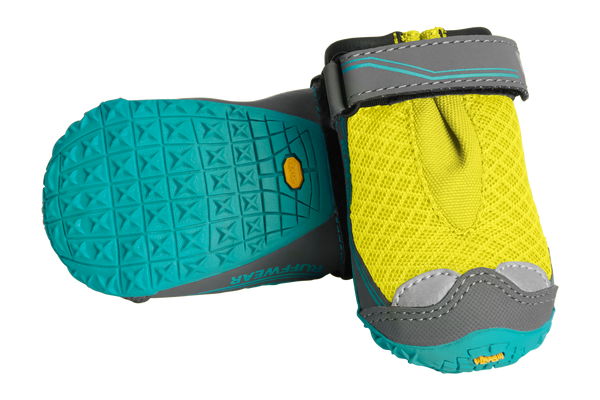
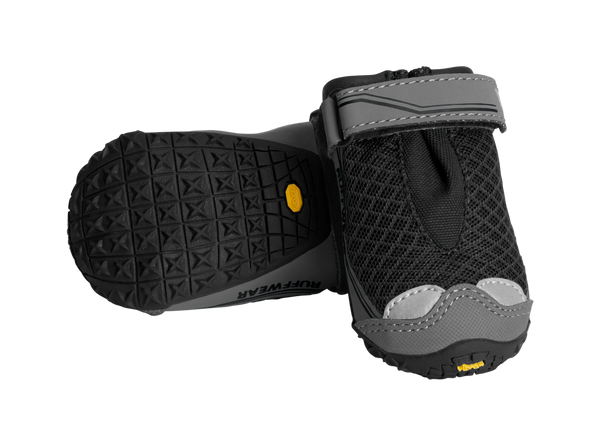
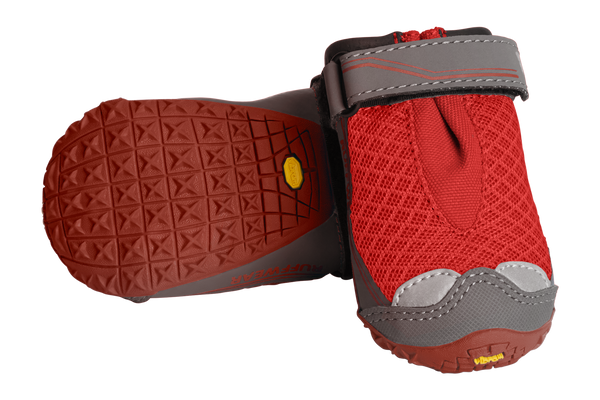
Gear: Web Master™ Harness, Flagline™ Leash, Grip Trex™ Boots

Cool Off in the Water
For dogs who’ve enjoyed a life of paddling around rivers, lakes, and beaches, there’s no reason to stop now. Swimming is the gold standard of low-impact exercise for seniors. Water buoyancy removes weight from painful joints while still engaging muscles and cardiovascular fitness. And dogs with osteoarthritis who swim regularly can actually improve their range of motion and flexibility.
But the kind of swimming they can do is different than when they were younger. They need calm waters, like a small lake, a slow-moving river, or a quiet stretch of beach. If your dog just can’t swim like they used to, stick to the shallows where they can wade and splash.
A life jacket like the Float Coat™ can help keep them safe, with a built-in handle for assisting your senior when they start to feel tired. The overall goal here is movement without impact, and of course spending quality time with you.
Gear: Float Coat™ Life Jacket, Confluence™ Waterproof Collar, Lunker™ Floating Throw Toy

Bike Rides, Reimagined
Does your senior dog love the feeling of wind in their fur? Running behind the bike might be off the table, but the ride doesn’t have to be. A bike trailer, backpack, or wagon opens summer back up in a way that can work for both of you.
Older pups love riding along with the bike for the airflow, new sniffs, scenery, and time spent with you. Stop somewhere shaded, let them out for a walk or a small picnic, load back up, and keep going.
That rhythm of movement, exploration, and rest works well for dogs with joint issues, because it keeps the adventure alive without asking their body to put in a huge effort. It also gives them that sensation of flying through the forest. Your dog might be older, but chances are they still like to go fast.
If your pup is on the smaller side, the Hitch Hiker™ Dog Backpack is specifically designed for ridealongs. For larger dogs, make sure you choose a trailer with mesh sides for airflow. Bring plenty of treats and water, and be aware of temperatures inside any enclosed trailer in the heat.
Gear: Hitch Hiker™ Dog Backpack, Quencher™ Packable Dog Bowl, Basecamp™ Foldable Dog Bed.

Easy Trail Walks
Flat, shaded trails with soft, predictable surfaces are ideal for senior dogs with sore joints. Look for river paths, forest loops, and wide dirt trails. Avoid steep switchbacks or any terrain with significant drop-offs.
Let your dog set the pace. Bring more water than you think you need, and consider putting them in a harness with a handle for lift assists into the car, or should they encounter any obstacles along the way. If you plan to spend any time in the direct sun, try equipping your dog with a cooling vest or neck gaiter to prevent overheating.
Gear: Swamp Cooler™ Cooling Vest, Swamp Cooler™ Cooling Neck Gaiter, Stash Bag Mini™ Pickup Bag Dispenser.

Things to Watch Out For
Hot summer days offer lots of ways to get outside, but it’s important to keep your dog’s comfort and well-being in mind. Along with regular check-ups with your vet to get a current picture of your senior dog’s health, there are a few things to keep an eye out for on every adventure:
- Excessive panting or drooling: If they can’t stop panting heavily even after they’ve slowed down and moved to shade, they might be overheating.
- Lagging or stopping: If your dog is refusing to move, they’re trying to tell you something. They might be hurt, tired, or too hot.
- Stiffness after rest: This is a sign that your dog has pushed too hard, and maybe that last outing was too much.
- Glassy eyes or disorientation: A dog who looks unfocused, confused about where they are, or unsteady on their feet is in heat distress — get them into shade and give them water immediately.
Mid-day sun is hard on any dog, and it's especially rough on older dogs who can't move as easily or find shade on their own. Try to get outside early in the day or later in the evening.
Carry more water than you think you need. And remember, dogs tend to push through discomfort, even when they should stop. Watching their behavior and knowing when they should rest is even more important when caring for an elderly pup.
Make Everyday a Good Day
It’s natural to think that when your dog gets older they need to do less. What they need isn’t less adventure, but a different pace and shape. Senior pups still want to explore and make the most of every moment, but sometimes they might need a shorter outing, in a shadier place, with more stops, more water, and more time enjoying easy activities.
These are their best days, where every leisurely walk, splash in the lake, and sniff around the neighborhood park adds up to a magical, memorable summer for both of you.


