
How To Camp With Your Dog
There’s camping - and then there’s camping with your dog by your side. Their presence alone elevates every little moment. Their curiosity is contagious, their zeal inspiring.
Hiking and camping together is an opportunity to see wilderness through their eyes. Lakes become more than just part of the landscape - they’re zones for splashing, swimming, and investigating new smells. Pinecones are no longer just pinecones - they’re a natural toy that can be found anywhere, perfect for tossing before bedtime in a cozy tent.
With a bit of preparation, the right gear, and a bit of that eagerness to explore, you’ll be en route to a good time camping with your dog.

Tips for Camping with Dogs:
1. Have a Game Plan
Before you start loading gear into the car, have a plan. Know where you’re going, where you’ll sleep, and the specific rules about dogs in the area you’ll be exploring.
Different types of public lands have different sets of rules. Many allow dogs, but a few don’t or have some restrictions.
Here’s a helpful guide to get you started. If you’re unsure about the rules for your destination, you can find out online or by calling the agency that manages the public lands you’re planning to visit.
Pro tip: If it’s your dog’s first time camping, try setting up your sleeping arrangement (tent, camper, van, etc.) at home, and let your dog explore and spend some time in it. This will help them get used to sleeping somewhere different when you’re out under the stars, and it’ll pay off with better rest.

2. Pack the Essentials
When it comes to camp life, our dogs’ basic needs are not too different from our own: food, water, warmth, a place to rest, and first aid supplies.
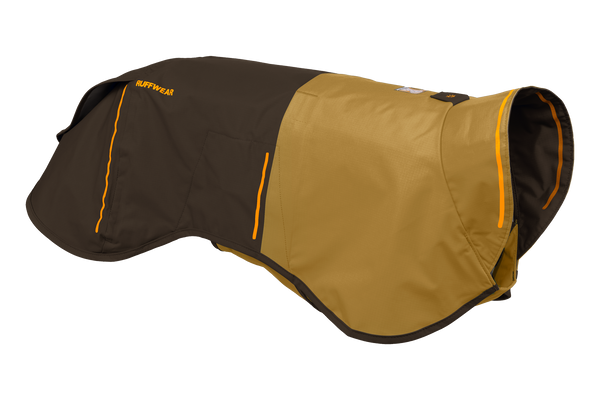
Before heading out, check the weather and temperature range so that your pup can be as well prepared as you are. Pack extra water if it'll be hot, layers if it will be wet or chilly, and plenty of food and treats - and more of it if you’ll be covering strenuous miles. Know what your trail companion is capable of, and have a contingency plan if things go awry.
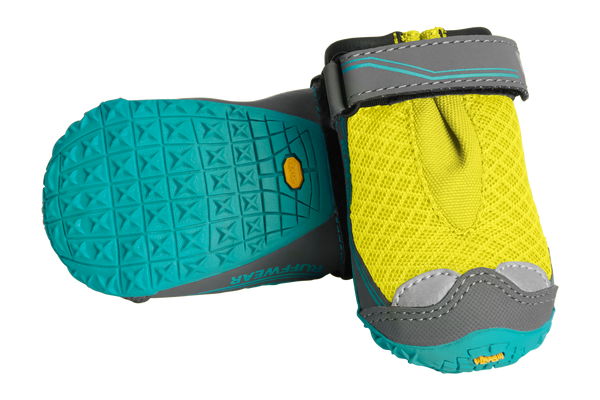
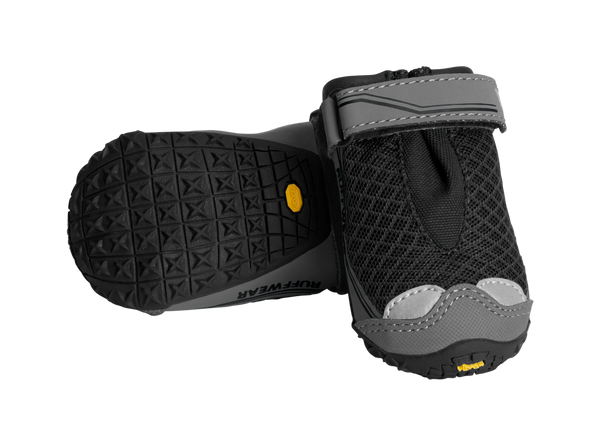
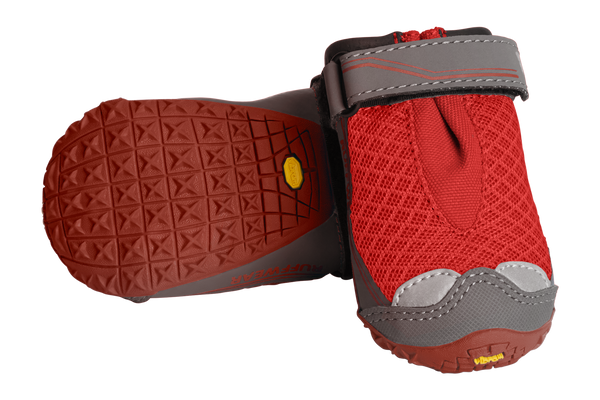
Much like you’d break in your boots and work up to hiking longer distances for your first backpacking trip, it’s a good idea to get your pup used to wearing a pack or boots well before you plan to use them on the trail. Once comfortable wearing the gear, then work your dog's way up to longer mileage.
Recommended Gear: Bivy™ Bowl, Palisades™ Sleep Poncho, Approach™ Pack, Highlands™ Sleeping Pad, Grip Trex™ Boots

3. Pack Those Camp & Trail Manners, Too
Good recall, basic obedience, and manners like “leave it” will help keep things positive for your canine companion on the trail. They’ll also go a long way toward making friends with other users (and respecting wildlife) on the trail.
Know the etiquette for the trail you’re hiking or backpacking, and be mindful of other people and their animals. Trails that allow horses typically require hikers and mountain bikers to yield to horseback riders.
At camp, keep your four-legged friend on-leash or within your control. Trying to keep an eye on a roaming dog while setting up camp, building a campfire, or eating dinner can be tricky. The camp site shuffle was the very inspiration for our Knot-a-Hitch™.
If your camping buddy has a lot to say or loves to let out a good howl at the moon, consider camping at a more secluded backcountry location. What’s music to our ears might be less than ideal for others’ wilderness experience. When in doubt, err on the side of courtesy.
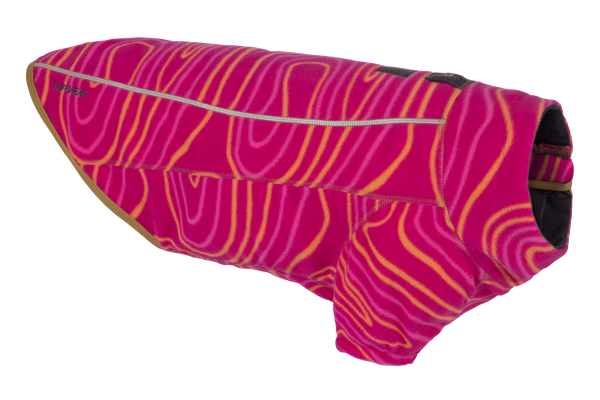
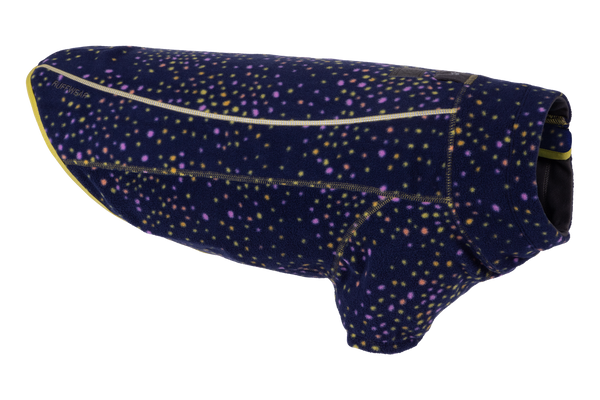
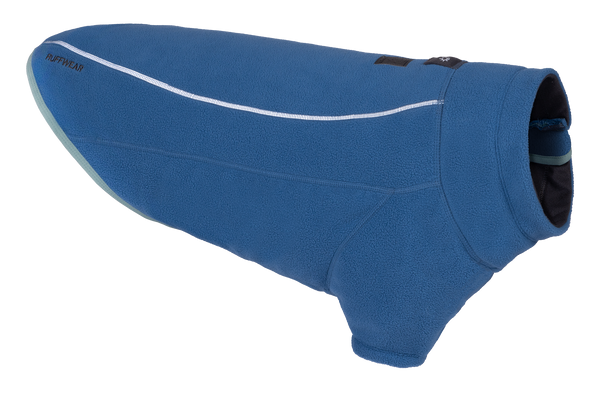
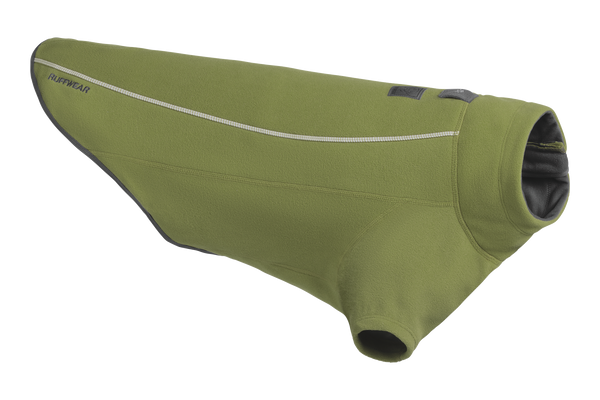
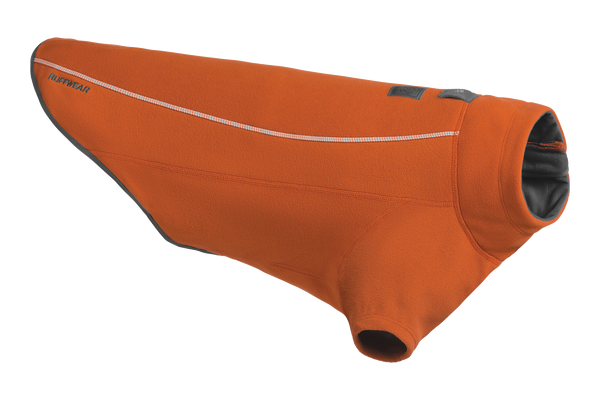
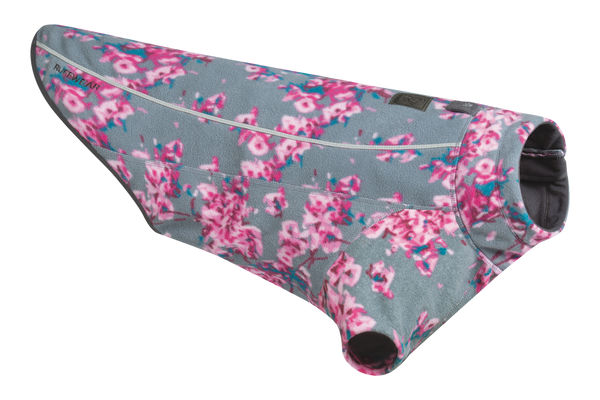
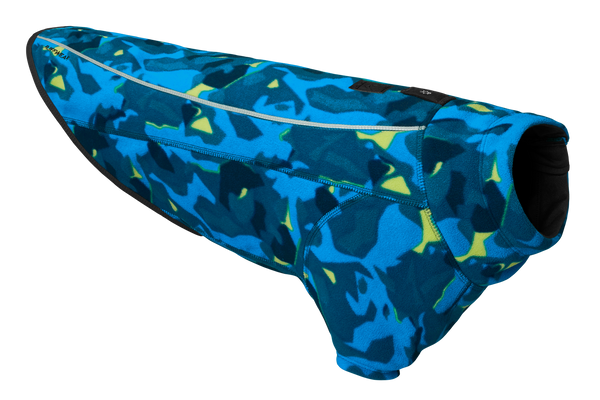
Recommended Gear: Knot-a-Hitch™, Crag™ Reflective Dog Lead, Beacon™ Safety Light, Climate Changer™ Fleece Vest.

4. Leave No Trace
Pack-it-in, pack-it-out! You can minimize impact and contribute to a pristine wilderness by observing the Leave No Trace principles. This includes picking up your dog’s waste and disposing of it in a proper receptacle.
Other dog-specific considerations include respecting wildlife by giving other animals and critters plenty of space space (and not chase) and monitoring and cleaning up food crumbs, spilled kibble, or toys.
Recommended Gear: Bivy Bowl™, Kibble Kaddie™, Stash Bag™, Hitch Hiker™ Lead

5. Have Fun & Trust Your Gut
You know your dog better than anyone else, and the best thing you can do is trust your instincts and what’s right for you and your pup. When it comes to medical concerns and wilderness hazards, we recommend talking to your vet ahead of your next campout.
Most importantly, don’t forget to pack along a toy or two like the Camp Flyer™ or Toadstool™ Dog Toy, and make sure you have fun. Your dog is only interested in spending time with you in the outdoors and exploring new places. Remember to soak in every moment.
If you have gear questions, contact our team of experts, and let us know how we can help prepare you for your next camping trip. We've done our fair share of nights under the stars with our dogs and would love to share what we've learned along the way.
Recommended Gear: A sense of humor, a smile, lots of pictures
Shop Camping Gear for Dogs
Ruffwear gear is built from a dog’s perspective and is rigorously field tested to ensure that it will enhance and enable our outdoor adventures with our dogs. Shop our entire camping collection and share your adventures with us on Instagram and Facebook. If you have any questions, feedback, or ideas, please don’t hesitate to bark.


